This guide covers hand car cleaning vs jet wash which is safer for London drivers: what it involves, what it costs and how Valetly handles it.
Hand car cleaning and jet washing are two fundamentally different approaches to removing dirt and grime.
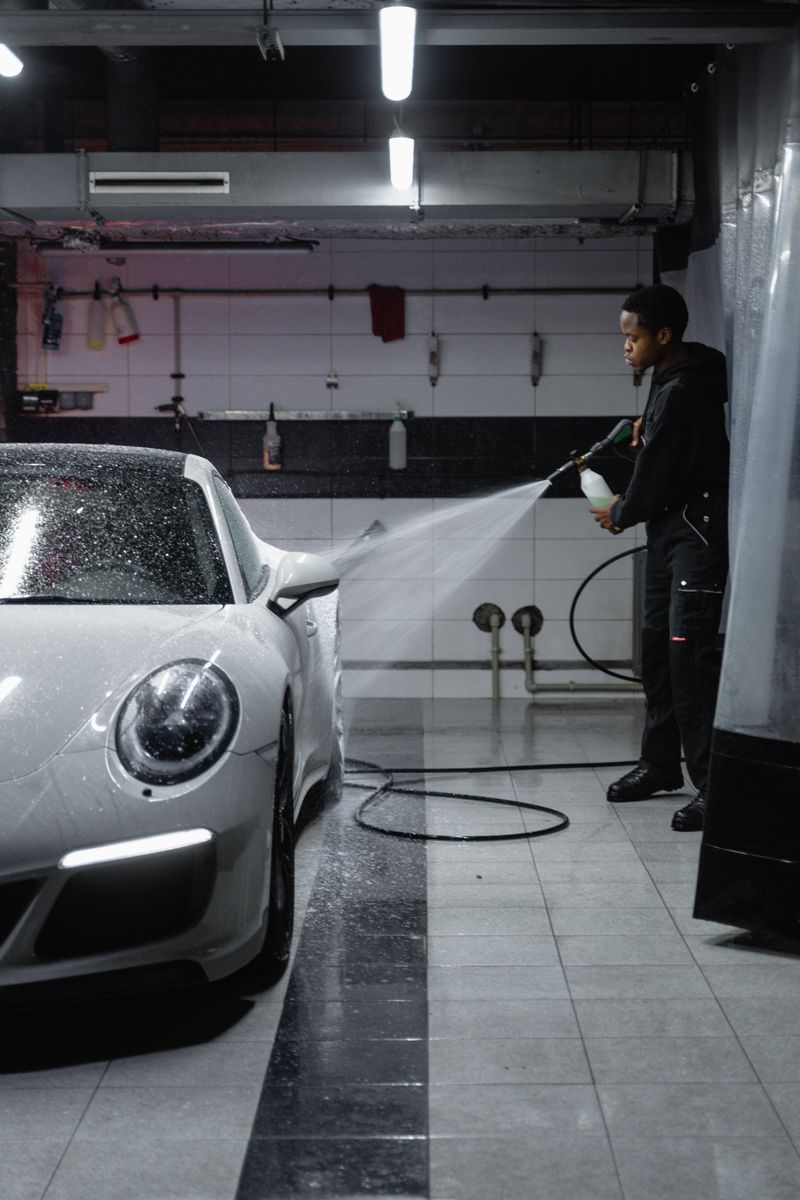
Hand car cleaning uses soft brushes, microfibre cloths and low-pressure water application to lift contaminants, while a jet wash deploys high-pressure jets that can reach 80–150 bar of force—enough to strip paint, damage trim and force water into sealed components. For most drivers, hand cleaning is the safer option.
Why jet wash risks are real
If you've spent a Saturday morning jet washing your car in a Clapham driveway or a Guildford car park, you may not have noticed damage immediately. Pressure washers pose several genuine risks:
- Paint damage: sustained high-pressure spray can erode clear coat and base coat, leaving dull patches or exposing primer. This happens faster on older or already-compromised paintwork.
- Water ingress: jets force water past rubber seals around doors, windows and tailgates. Once inside, trapped moisture causes rust and electrical gremlins.
- Trim and badge lift: decals, plastic trim and badging are glued on; high pressure peels them back or off entirely.
- Wheel arch and underside damage: high-velocity water can shift protective underseal or dislodge debris into suspension components.
The damage is often not visible for weeks or months. A hairline crack in the clear coat can trap dirt and accelerate oxidation; water trapped in door cavities causes rust from the inside out.
How hand cleaning protects your car
Hand car cleaning relies on contact and chemistry rather than force. A trained hand cleaner uses appropriate pressure—usually just gravity and a soft brush—to dislodge dirt without risk.
The process takes longer but eliminates most of the hazards jet washing introduces:
- Controlled pressure: water is applied at low pressure or allowed to run freely, never forced.
- Sealed entry points stay sealed: doors, windows and trim are cleaned around their edges, not blasted.
- Paint and clear coat remain intact: soft contact means no erosion or micro-scratches from high-speed water droplets.
- Undersealed components stay protected: underseal and protective coatings are not disturbed.
If you're in a high-contamination area—near the Thames in central London, for instance, where salt spray and industrial grit accumulate—hand cleaning is less aggressive while remaining effective at removing the same dirt a jet wash would.
The cost and time trade-off
Jet washing at home is free (you own the kit) or cheap (a few pounds at a DIY forecourt). Hand car cleaning takes 45 minutes to 2 hours and costs £40–£100 depending on your vehicle and location.
The trade-off is real, but so is the risk:
- Jet wash: 15 minutes, high risk, zero ongoing cost.
- Hand clean: 60–90 minutes, low risk, £50–£80 per clean.
If you jet wash your car fortnightly, you're compounding paint damage over time. Hand cleaning once a month—or hand car cleaning in London booked when you're busy—costs less than a respray and preserves resale value.

When jet wash might be acceptable
Jet washing is not always wrong. It can be safe if:
- You use a wide-angle nozzle (40°+) at least 60 cm from the surface.
- You avoid wheels, undercarriage, grilles, trim and seams entirely.
- You keep pressure below 80 bar and never aim directly at doors or seals.
- You follow the manufacturer's guidance for your car.
In practice, few home users follow these rules. Most point a jet at whatever looks dirty, hold it close and move fast.
On a typical Chelsea street or suburban drive, this is a recipe for hidden damage.
What professional hand cleaning includes
When you book a professional hand cleaning service, you're paying for:
- Knowledge of which products and methods suit your paint type.
- Proper technique to avoid scratch and water ingress. n- Access to pressurised rinse systems that are safe and correctly angled.
- Insurance and accountability if something does go wrong.
- A guarantee: most reputable valets re-clean for free if you spot dirt they missed.
Our vetted valets at Valetly attend at your home or workplace. They assess your car's condition first, then choose the safest method.
If your car is heavily soiled, they'll use hand cleaning combined with careful low-pressure rinsing—never a jet wash.
Paint damage: what it looks like and when it's too late
Early signs of pressure-wash damage include:
- Dull or hazy patches that don't polish out.
- Water stains that never dry completely (trapped under seals).
- Rust appearing on underside panel edges.
- Electrical faults or window regulator squeaks (water in the door).
Once clear coat is eroded, the only fix is a full respray—£600–£2,000 depending on your car. Prevention is vastly cheaper than cure.
The safest approach: rotate methods
You don't need to ban jet washing forever. A safer routine might be:
- Monthly hand clean to remove routine dirt and grime.
- Quarterly detailed hand clean (drying, trim and wheel cleaning) to maintain finish.
- Jet wash only in emergencies—and only on wheels, undercarriage and windows, never bodywork—keeping the nozzle wide and distant.
This balances cost, time and risk. For most drivers juggling work and family, booking a professional hand car cleaning once a month is simpler and genuinely safer than DIY jet washing every two weeks.
Frequently asked questions
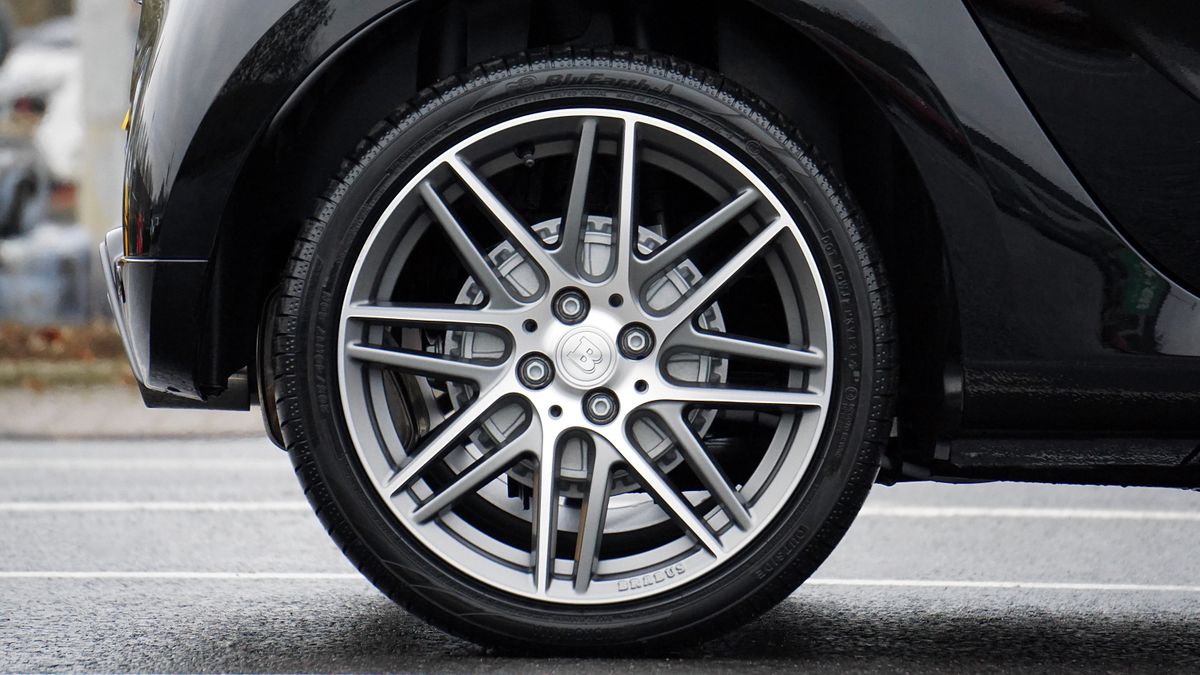
Can I use a jet wash on my car's wheels and undercarriage? Yes, wheels and the underside are tolerant of higher pressure. Keep the nozzle at least 45 cm away, use a wide-angle tip, and avoid suspension components. Never jet-wash into wheel wells where water can pool.
How often should I hand-clean my car if I never jet wash? Once a month for typical urban driving; every two weeks if you park under trees, near the sea or in high-pollution areas like busy London roads. Dust and grit accumulate faster than you'd think and scratch paint when wiped dry.
Is a pressure washer at a petrol station safer than a domestic jet wash? Commercial pressure washers are often more powerful (100–200 bar). They are not safer—they're more dangerous. Always keep distance and angle, and never aim at trim or seals. Hand cleaning remains the safer choice.
What should I do if jet wash water gets inside my car door? Dry the door cavity as soon as possible. Leave windows and doors open for 24 hours in dry weather. If rust or electrical faults appear later, contact a mechanic. Prevention is critical because trapped moisture causes expensive problems.
Is a professional hand car wash worth the cost compared to jet washing at home? Yes, if you value your paintwork and resale value. A £60 hand clean every month costs £720 a year and protects a £10,000–£50,000 asset. A single respray costs more and your car loses value if resprayed panels are declared at sale.