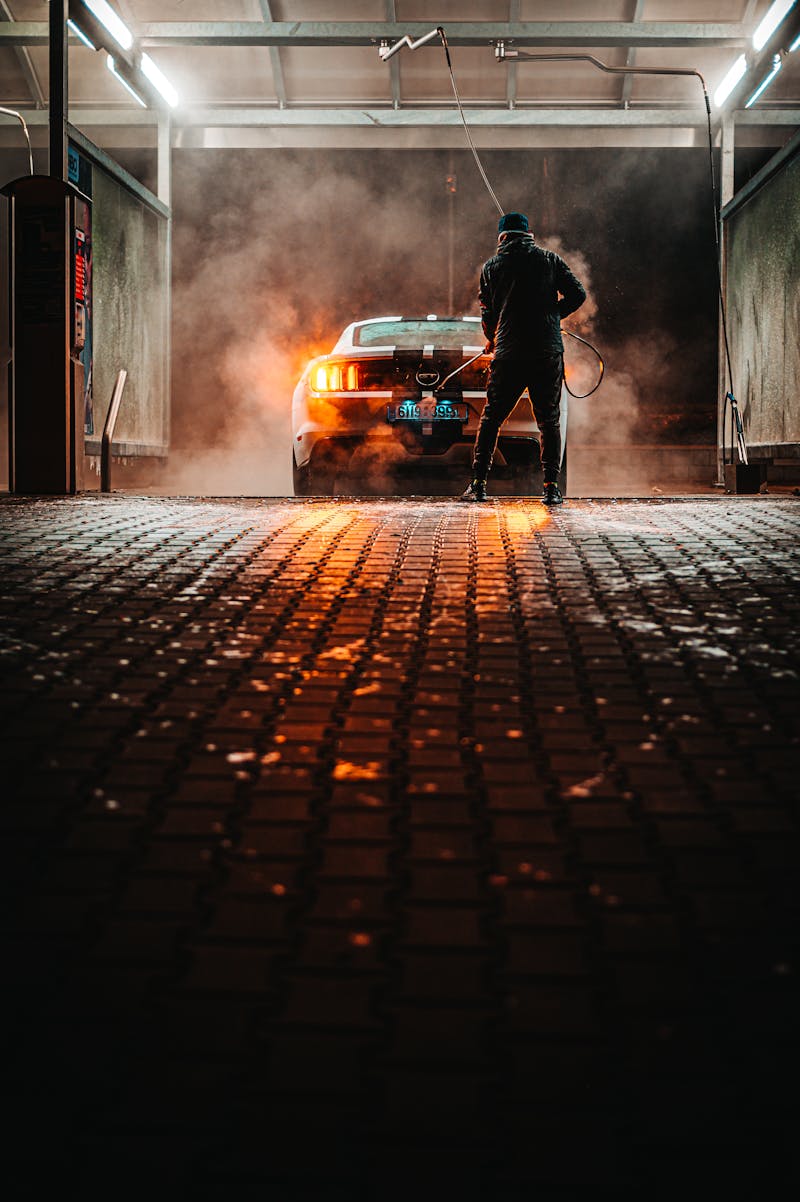
Yes, a hand car wash is generally better for your paintwork than an automatic machine wash.
Hand washing eliminates the risk of swirl marks caused by rigid brushes and rotating machinery, allows the person washing to adjust pressure and technique to your car's condition, and reduces the chance of debris grinding into the paint.
The trade-off is time and cost — but for newer or premium vehicles, the protection often justifies the investment.
Why hand washing protects paint better
A hand car wash is a method where a person manually applies water, cleaning solution and soft cloths or sponges to the vehicle's exterior, working section by section to remove dirt and contamination without using fixed machinery.
The critical difference lies in control: a human operator can see the paint condition, adjust pressure around vulnerable areas, and avoid pressing abrasive tools hard against the surface.
Automatic car washes — whether rollover brush systems or touchless pressure-spray tunnels — apply uniform force across your car, regardless of existing damage or dirt type.
Brush systems are the worst offenders: the bristles make contact with thousands of vehicles per week and collect fine particles that then scratch the next car.
Even when brushes are advertised as "soft", they still rotate at speed and can leave parallel lines called swirl marks, especially visible on dark paint in sunlight.
Touchless automatic washes avoid brush damage but use very high-pressure jets. These can force water into door seals, electrical components and existing micro-scratches, and the force alone can dislodge loose clear-coat particles.
A careful hand wash avoids both problems. The operator rinses first to lift loose grit, uses soft materials, applies gentle pressure, and can spend extra time on problem areas — like a kerb rash on the wheel arch or bird dropping residue — without risking the rest of the car.
Hand wash vs automatic car wash: the practical comparison
If you own a car less than five years old, or a premium brand where paint is a selling point, machine washing accelerates visible wear. Within a year, a dark-coloured car washed regularly in an automatic tunnel will show a dull, scratched appearance that no polish can fully restore.
Older cars or daily drivers used for commercial work face a different calculation. A quick automatic wash costs £5–10 and takes five minutes; hand washing costs £25–60 and takes 45 minutes to an hour.
If your car lives in a London mews with no outdoor space, or you park near the M25 where motorway spray and industrial fallout are facts of life, hand washing weekly may be impractical. Monthly hand washes with occasional automatic washes when needed is a sensible compromise.
Location matters too. In South West London, where tree sap and pollen are heavy, or near Canary Wharf, where salt spray from the Thames affects parked cars, more frequent gentle washing is preferable to less frequent harsh washing.
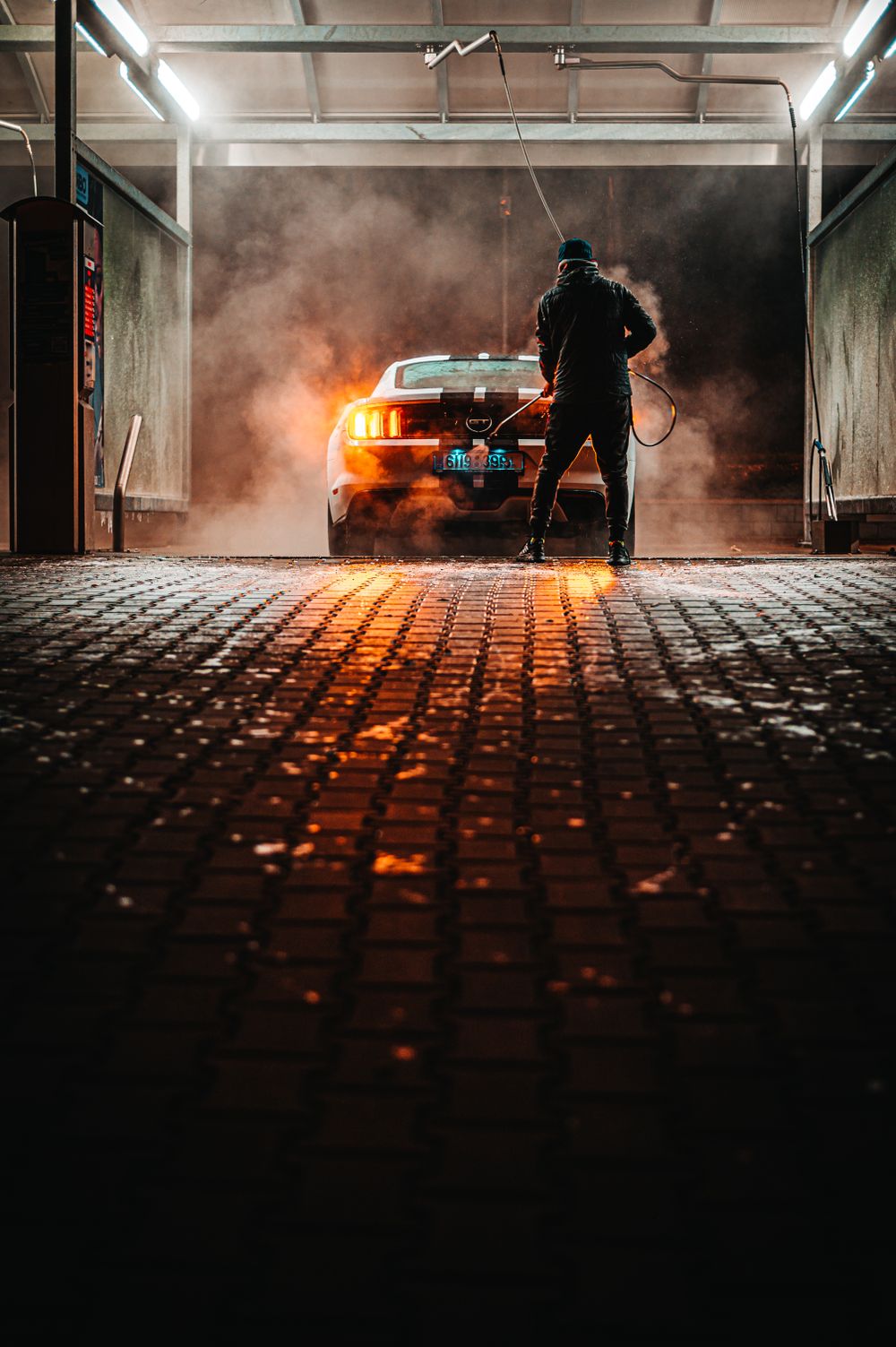
Swirl marks from car washes: what causes them and how to avoid them
Swirl marks are microscopic scratches arranged in a pattern across the paint, caused by abrasive particles being dragged across the surface under pressure. They become visible on darker cars because light reflects unevenly from the scratched areas.
Automatic brush and roll-over systems create them because:
- Brushes trap fine particles (brake dust, sand, dried salts) from hundreds of previous washes.
- The brush makes contact at speed, pressing particles into the paint.
- The operator cannot see what is happening and cannot adjust.
Hand washing prevents this because the person can:
- Rinse the car thoroughly first to remove loose debris.
- See when the cloth or sponge is picking up grit and change it.
- Apply only light pressure, letting the cleaning solution do the work.
- Avoid re-washing dirty areas with the same cloth.
If you do choose to hand wash yourself, use two buckets (one for rinsing the cloth, one for fresh solution), a grit guard in each, and microfibre cloths rather than cotton. But for consistent results, book a hand wash with a vetted mobile valet who has experience with your paint type.
Safest way to wash a car
The safest approach depends on your car and circumstances:
For newer, premium or dark-coloured cars: Hand washing monthly or every six weeks, performed carefully. If you live in an area with heavy contamination (near building sites, airports, motorways), more frequent light hand washing beats less frequent harsh machine washing.
For older or everyday cars: Hand washing every 8–12 weeks with occasional automatic washes in between is reasonable. Avoid brush tunnels entirely; if you must use a machine, choose a touchless system and accept that it is less thorough.
For working vehicles or fleet cars: Automatic washes are faster and cheaper. Accept some cosmetic wear as a trade-off.
For any car in storage: Wash by hand before long periods unused, then wash again before returning to the road. Dirt left on the paint will bond chemically over weeks, making it harder to remove later.
Many owners assume that washing more often causes more damage, so they wash less frequently but use harsh automatic systems. This is backwards.
Gentle, frequent hand washing keeps the paint cleaner and causes less wear than infrequent aggressive cleaning.
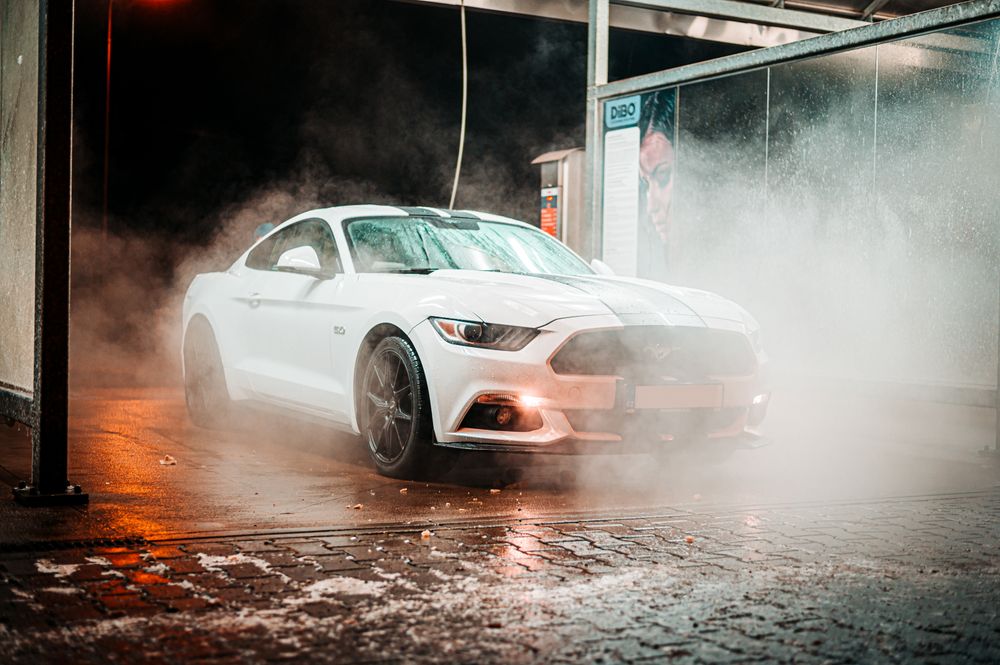
How machine wash paint damage happens
Paint damage from automatic washes occurs in stages:
- Initial micro-scratching — the first 10–20 washes leave visible fine lines only under direct sunlight.
- Compounding — swirl marks accumulate in the same patterns, deepening them.
- Clear-coat thinning — repeated abrasion wears through the protective clear coat, exposing the colour coat below.
- Oxidation — once exposed, the colour coat oxidizes (turns dull and chalky) within months.
- Paint failure — if oxidation reaches the primer layer, rust can begin.
This process accelerates in harsh environments. A car in Inner London, regularly washed in a brush tunnel while salt and grit are heavy on the roads, can show heavy swirling and dullness within two years.
The same car hand-washed monthly will retain its finish for five years or more.
Touchless automatic washes cause different damage: water ingress into electronics, corrosion of exposed metal under trim, and force-stripping of loose paint particles. They are "safer" than brush systems but still inferior to hand washing for paint preservation.
When a hand car wash is not necessary
Not every car or owner needs hand washing:
- High-mileage working vehicles where cosmetic finish is not a priority.
- Leased cars where you may not care about future paint condition (though you should — damage may incur charges).
- Cars with already-damaged paint where further washing is cosmetic rather than protective.
- Single-use scenarios — a light rinse before sale or a one-time deep clean for a special event can justify a professional hand wash, but everyday cleaning might use automatic washes.
For a new car or a vehicle you plan to keep, hand washing is worth the cost and time. Swirl marks and oxidation are largely irreversible; prevention is far cheaper than correction.