This guide covers what does car detailing include for London drivers: what it involves, what it costs and how Valetly handles it.
Car detailing is a methodical, multi-stage cleaning process that restores both the interior and exterior of your vehicle to a showroom standard.
A typical detailing appointment includes vacuum and extraction of upholstery, interior trim restoration, exterior washing, wheel and tyre cleaning, paint enhancement, and protective sealing—the exact scope depends on whether you book a basic or comprehensive service.
Understanding the Full Scope of Car Detailing
If you own a car you care about, detailing is worth understanding before you book. It's not a quick wash; it's a scheduled restoration that typically takes 4–8 hours depending on your vehicle's condition and the package chosen.
The process splits into two main phases: interior detailing and exterior detailing. Both require focus, proper equipment and trained hands.
When you book detailing at your address, a vetted Valetly valet will arrive with their own tools and carry out the work at your home or workplace across London and the M25 commuter belt.
What Does the Interior Detailing Stage Cover?
Interior detailing targets every surface inside your car that passengers touch or see.
Vacuum and extraction is the foundation. Your valet vacuums all carpets, mats, under seats and between crevices to remove loose dirt, dust and debris.
Extraction—a wet-vac process—lifts deeper stains and moisture from upholstery fibres and carpet pile.
This is where leather and fabric seats genuinely come clean, not just surface-swept.
Next comes trim restoration. Dashboard plastic, door cards, steering wheel and console are wiped down, treated and conditioned to restore colour and prevent cracking.
Leather seats and door panels receive specialist conditioning to maintain suppleness. Fabric upholstery is spot-treated where marks have set in.
Glass cleaning inside is detailed work: each window is cleaned to remove interior dust films and smearing. Mirrors receive the same care.
Air vents are often overlooked by owners but included in a full detail. These are carefully cleared of dust so your climate control breathes properly.
Floor mats are either deep-cleaned or replaced if you've chosen a premium package. Many valets will also wipe down sill plates and condition rubber seals around doors.
What Does the Exterior Detailing Stage Cover?
Exterior work is where your car's appearance and protection take a measurable leap forward.
Wheel and tyre cleaning comes first. Brake dust and road grime are aggressively cleaned from alloy rims, tyre sidewalls are scrubbed and tread is cleared.
This alone transforms the visual impact of your car.
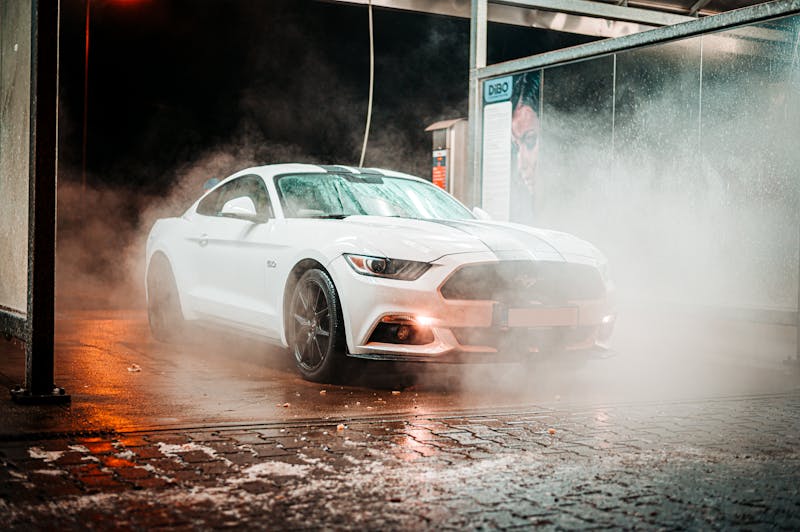
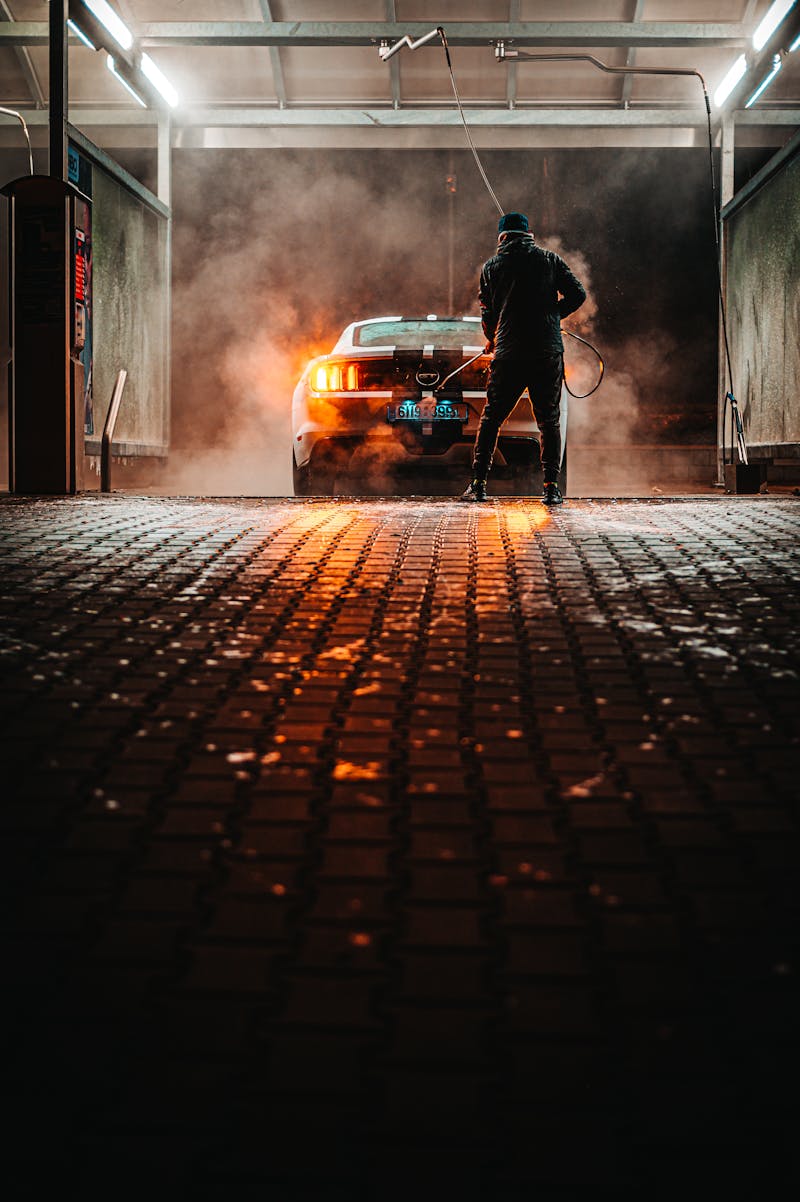
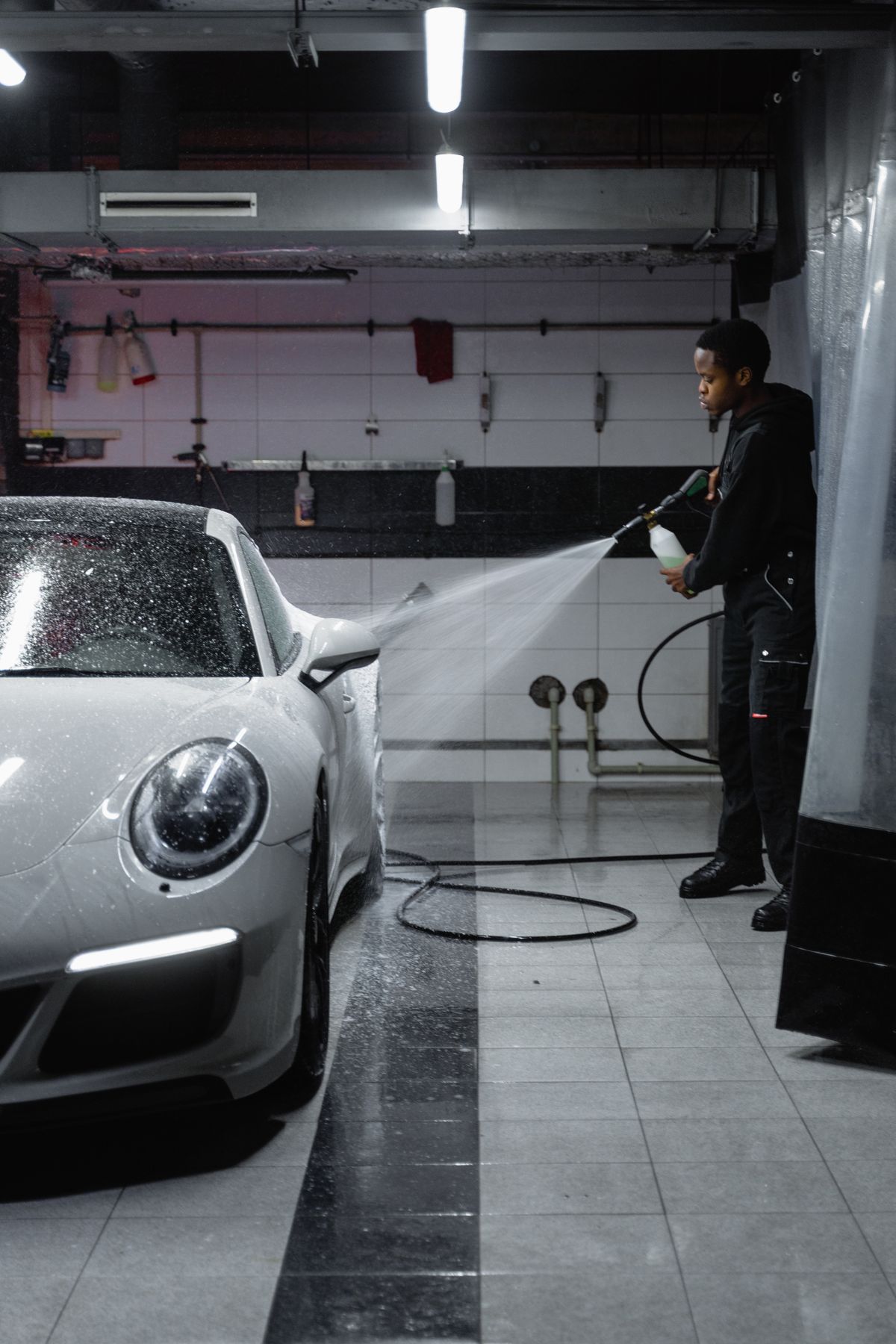
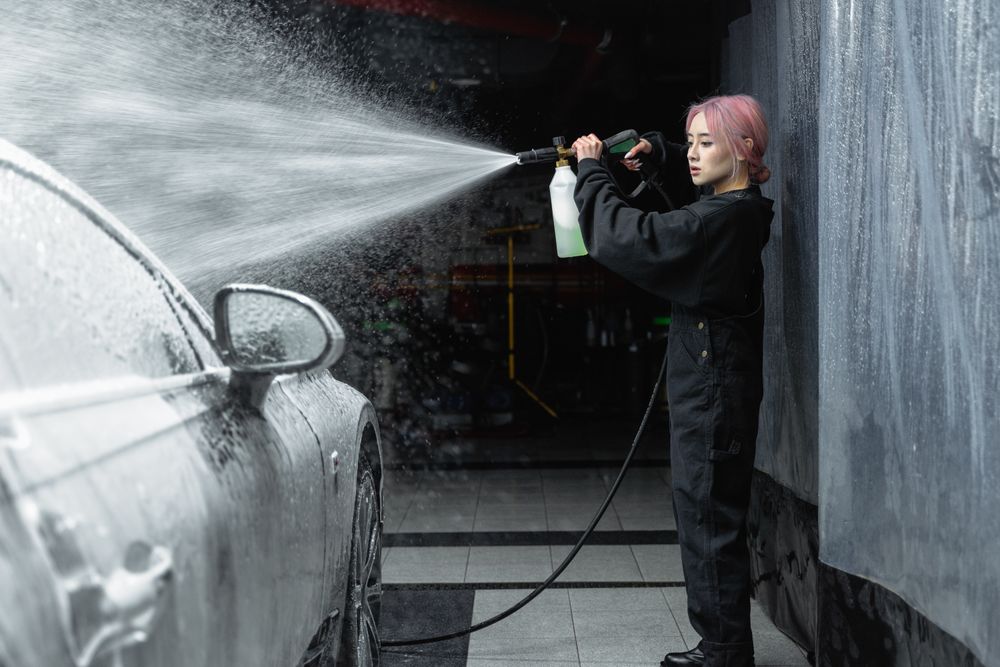
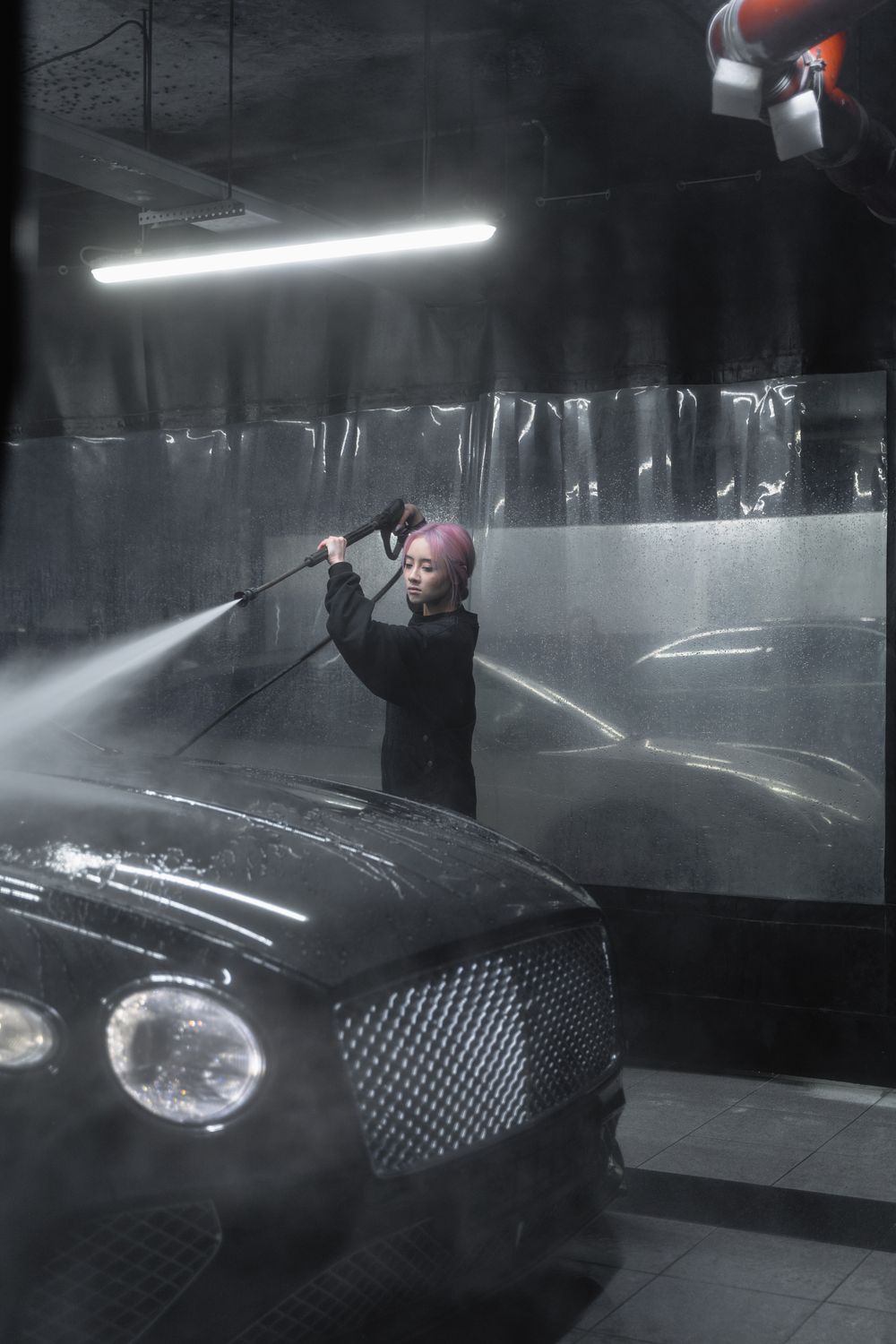
Bodywork wash follows a careful process: a rinse, pre-soak if needed, then hand-wash using two separate solutions to avoid scratches. Valets pay special attention to the roof, bonnet, doors and sills—the areas that collect most contamination from sitting in London traffic or on the M25.
Paint enhancement is where detailing differs most from basic valeting. Once the surface is clean and dry, a valet will assess your paint's condition—swirl marks, light oxidation, water spots.
They'll then use appropriate compounds or polishing techniques to restore gloss and depth.
This is not a full respray; it's a professional restoration of what's already there.
Protective sealing comes next. A quality sealant or protective coating is applied to the paint, glass and trim.
This creates a barrier against environmental contaminants, UV damage and water ingress. It's why detailing results last weeks, not days.
Exterior trim including door handles, trim strips, badges and glass edges are cleaned and treated. Rubber seals around doors and windows may be conditioned to prevent drying and cracking.
If your car has chrome detailing—common on older vehicles or prestige models—this receives dedicated cleaning and polishing to bring back shine.
Detailing vs Valeting: What's the Real Difference?
The terms are often used interchangeably, but they're not the same. Valeting is a faster, shallower clean focusing on appearance: wash, hoover, wipe down interior, job done in 1–2 hours.
Detailing is slower, deeper work.
It's about restoration and protection, taking twice as long and addressing contamination you might not even see yet.
Think of valeting as keeping your car presentable. Detailing is investing in its longevity and finish.
What You Need to Check on Your Detailing Checklist
Before you book, confirm what's included in your chosen package. Not every detail package is identical.
A basic detail might include interior vacuum, exterior wash, and wheel clean. A comprehensive detail adds paint enhancement, multiple protective coatings, leather conditioning, and engine bay detailing.
Ask your valet:
- Does the price include interior vacuum and extraction?
- Are protective sealants included, or are they an upgrade?
- Will they photograph before and after so you can see the transformation?
- If something isn't perfect once finished, do they re-clean it?
Valetly valets provide before and after photos as standard and will return to complete any missed areas at no extra cost. They're fully vetted and insured, so you know you're getting a professional finish.
Where London Drivers Typically Book Detailing
Owners across Walthamstow, Chelsea, Blackheath, Clapham and the outer commuter zones regularly choose detailing for vehicles they've invested in—whether that's a daily driver, a weekend classic, or a prestige saloon.
The benefit of mobile detailing is that it comes to you: no need to drop the car at a garage and wait hours.
Parking in central London or the M25 suburbs makes this especially valuable. Your valet works at your address while you go about your day.
For drivers in these areas looking for a reliable service, the best car detailing service near Walthamstow for daily drivers explains what to expect from a repeat professional, and the full car valet in Blackheath without leaving home guide covers how to prepare your driveway for a visiting valet.
The Timeline: How Long Does Detailing Actually Take?
A basic interior and exterior detail on a standard five-door car takes 4–6 hours. A comprehensive detail, including engine bay work or multiple paint enhancement stages, can stretch to 7–8 hours.
SUVs and larger vehicles take longer. Heavily soiled interiors—if the car has rarely been detailed—may require extra time.
Weather also plays a role; detailing in strong sun or heavy rain isn't ideal, so many valets will reschedule if conditions won't allow proper finishing.
Expect your valet to ask when they arrive: "Where would you like us to focus most?" Not every car needs every upgrade.
A newer car with protected paint might skip polishing but add leather conditioning. A daily runner might prioritise interior restoration over paint enhancement.
Why Detailing Costs More Than a Wash
A car wash is a commodity: water, soap, 20 minutes. Detailing is skilled labour, specialist equipment and time.
Your valet is trained to identify paint faults, know which compounds suit which finishes, and restore trim without damage.
It's also why results last. A wash fades within a week.
A proper detail with sealant protection maintains its effect for 8–12 weeks, sometimes longer if you avoid harsh weather and regular car park scratches.
Preparing Your Car for Detailing
You don't need to pre-clean before a valet arrives. That's their job.
But do:
- Remove personal items from the interior so they can access every surface.
- Move your car onto a level driveway or yard (essential for mobile detailing).
- Point out any specific stains or scuffs you want them to prioritise.
- Let them know if you have any paint damage or dents they should avoid.
If you're unsure what detailing can realistically achieve—for instance, some stains are permanent—a quick conversation with your valet beforehand saves disappointment.

Frequently asked questions
", "a": "Paint enhancement stages in detailing can significantly reduce visible swirl marks using professional polishing compounds. However, very deep scratches won't vanish entirely—they may be minimised, not erased.
"}
", "a": "Most owners detail their car twice yearly: once after winter salt exposure, once before summer. If you park on street in London or regularly drive the M25, you might choose quarterly.
"}
", "a": "Yes, when performed by a trained professional. Modern paint finishes are robust, and professional valets understand how to clean and enhance them safely.
"}
", "a": "Detailing can restore faded plastic trim appearance through cleaning and conditioning, bringing back colour and gloss. "}
", "a": "Engine bay detailing involves careful cleaning of the visible engine block, hoses, battery casing and inner bodywork—without spraying water directly into electrical components. "}