This guide covers is an automatic car wash bad for your paint for London drivers: what it involves, what it costs and how Valetly handles it.
Yes, an automatic car wash can be detrimental to your car's paintwork. The harsh brushes and cleaning solutions often used in these facilities can cause microscopic scratches, swirl marks, and dullness over time, diminishing your vehicle's finish and resale value.
Automatic car washes are widespread across the UK. They offer a quick solution for busy drivers.
Many people frequently use them at petrol stations or supermarkets.
However, this convenience often comes at a cost to your vehicle's exterior. Understanding these risks is crucial for any car owner.
What Happens Inside an Automatic Car Wash?
An automatic car wash typically involves your car moving through a series of automated stations. These stations apply water, soap, and often rotating brushes.
Some systems use touchless jets, but many still rely on physical contact.
The cleaning process aims to remove dirt and grime quickly. High-pressure jets rinse the vehicle.
Powerful dryers then blast away excess water.
The Mechanics of Rollover Washes
A rollover clean is a system where your car remains stationary. A machine moves back and forth over it.
This machine applies cleaning solutions and often uses large rotating brushes or cloths.
These brushes are a primary concern for paint damage. They can hold dirt and grit from previous cars.
This abrasive material then gets rubbed against your vehicle's surface.
Are the Brushes Really a Problem?
The brushes in an automatic appointment are designed for durability. They are not designed for paint preservation.
They can be stiff and abrasive.
Over time, these repeated abrasive actions cause damage. This damage manifests as fine scratches.
These are often called swirl marks, visible in direct sunlight.
How Can an Automatic Car Wash Damage Paint?
The core issue lies in the abrasive nature of the cleaning process. This isn't always immediately obvious.
Damage accumulates over many washes.
The Impact of Dirty Brushes
Brushes in an automatic appointment clean many vehicles daily. They are not thoroughly cleaned between uses.
This means they often carry grit.
This grit acts like sandpaper on your paint. It creates tiny scratches and abrasions.
These scratches are particularly noticeable on darker paint colours.
Chemical Solutions and Their Effects
Automatic visits use strong chemical detergents. These chemicals are designed to break down dirt quickly.
They can also strip away protective waxes and sealants.
Without this protection, your paintwork becomes more vulnerable. It is exposed to environmental contaminants.
This accelerates wear and tear.
Drying Methods and Water Spots
Many automatic washes use powerful air dryers. While effective, they don't always remove all water droplets.
Remaining water can lead to water spots.
These spots are mineral deposits left behind as water evaporates. They can etch into your paint over time, creating permanent blemishes.
This is especially true in hard water areas like parts of North London.
What Are Swirl Marks and How Do They Form?
Swirl marks are circular scratches on your car's paintwork. They are typically caused by improper washing techniques.
These marks are highly reflective in direct light.
Automatic appointments are a major contributor to swirl marks. The rotating brushes drag dirt across the paint.
This leaves behind these characteristic circular patterns.
Visual Impact on Your Car
Swirl marks dull your car's finish. They make the paint appear hazy.
This reduces the depth and clarity of the colour.
Your car will look less clean even after a wash. The paint will lose its reflective shine.
This impacts the overall aesthetic appeal.
Automatic vs. Hand Wash: Which is Better?
A hand wash offers a gentler cleaning method. It significantly reduces the risk of paint damage.
This is a key difference for car owners.
The Precision of Hand Washing
When a car is washed by hand, the person cleaning it uses fresh, clean wash mitts and sponges. They apply gentle pressure.
They also frequently rinse their tools.
This minimises the transfer of abrasive particles. It ensures a much safer cleaning process.
Your paintwork is treated with care.
Valetly connects you with independent valets who offer a hand wash at your address. This service brings professional care directly to you.
It avoids the risks associated with automatic systems.
Control Over Cleaning Products
Professional hand washers use pH-neutral shampoos. These products are gentle on paint.
They preserve protective waxes and sealants.
This contrasts sharply with the harsh chemicals often found in automatic washes. The choice of product directly impacts paint longevity.
Beyond the Wash: Detailing Benefits
Hand washing allows for greater attention to detail. Valets can spot specific issues.
They can address stubborn dirt or tar spots individually.
This level of care is simply not possible in an automated system. It ensures a more thorough and safer clean.
You can read more about why a hand wash is better for your paintwork.
How to Mitigate Automatic Car Wash Risks (If You Must Use One)
Sometimes, an automatic clean is your only option. Perhaps you are on a long journey on the M25 and need a quick clean.
There are ways to minimise potential damage.
Opt for Touchless Washes
Choose 'touchless' automatic cleans if available. These systems use high-pressure water and chemicals.
They avoid physical brushes altogether.
While they still use strong chemicals, they eliminate brush-induced scratches. This is a better alternative than brush-based systems.
Avoid Add-on Services
Decline services like 'wheel cleaning' or 'underbody wash' in automatic setups. These often use abrasive brushes or harsh chemicals.
They can cause damage to sensitive areas.
Focus solely on the basic exterior wash. This reduces exposure to potentially damaging processes.
Apply Paint Protection
Regularly apply a good quality wax or sealant to your car's paint. This creates a sacrificial layer.
It offers some protection against minor abrasions and harsh chemicals.
This layer will need frequent reapplication. It wears down quickly with automatic washes.
It acts as a barrier, albeit a temporary one.
What are the Alternatives to an Automatic Car Wash Near Me?
If you're searching for an 'automatic clean near me' for convenience, consider mobile valeting. These services come to your location.
This includes homes, offices, or parking spaces in areas like Canary Wharf.
Professional Mobile Valeting
Mobile valets provide professional hand washing and detailing. They use quality products and techniques.
This ensures a safe and effective clean for your car.
It offers the ultimate convenience without compromising paint safety. Your car receives a thorough clean at your preferred location.
Self-Service Jet Washes
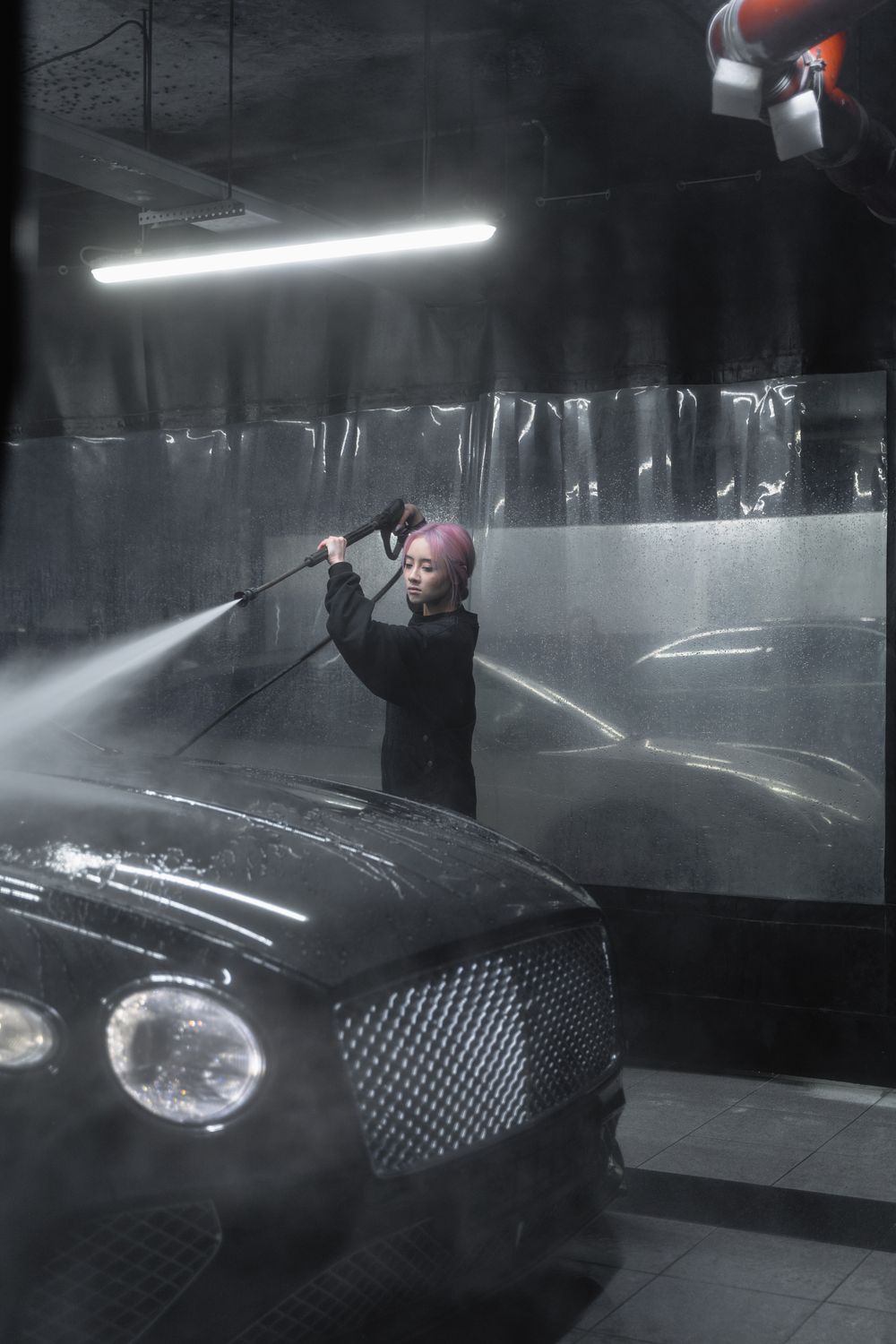
Another option is a self-service jet wash bay. Here, you control the equipment.
You can use gentler pressure and avoid harsh brushes.
However, proper technique is still essential. Using dirty sponges or too much pressure can still cause damage.
](/blog/hand-car-cleaning-vs-jet-wash-which-is-safer).
The Long-Term View on Paint Care
Your car's paintwork is more than just aesthetics. It protects the metal bodywork from corrosion.
Proper care extends its lifespan.
Neglecting paint care can lead to costly repairs. Repainting is expensive and time-consuming.
Prevention is always better than cure.
Investing in careful washing methods preserves your car's finish. It maintains its value.
This is particularly important for newer vehicles or those with special paint finishes.
Frequently asked questions
Do automatic car washes cause swirl marks?
Yes, automatic appointments are a common cause of swirl marks. The rotating brushes can pick up dirt and grit from previous vehicles.
This abrasive material then scratches your car's paint as the brushes spin, leaving behind characteristic circular patterns that dull the finish.
Are touchless car washes safer for paint?
Touchless appointments are generally safer for paint than brush-based systems. They avoid physical contact, eliminating brush-induced scratches.
However, they often rely on stronger chemicals to clean effectively, which can strip waxes or sealants and potentially lead to water spotting if not rinsed thoroughly.
How often can I use an automatic car wash without damage?
Even infrequent use of an automatic clean carries a risk of paint damage. Damage accumulates over time.
If you must use one, consider a touchless option and ensure your car has a protective wax layer, but regular use will likely lead to noticeable degradation of your paintwork.
Can car wash damage be repaired?
Minor wash damage, like light swirl marks, can often be corrected. This usually involves professional paint correction techniques, such as compounding and polishing.
More severe scratches or etching, however, might require more extensive work or even repainting specific panels, which can be costly.
What is the best way to wash my car for paint protection?
The best way to wash your car for paint protection is by hand, using the two-bucket method. This involves clean wash mitts, pH-neutral car shampoo, and thorough rinsing.
Mobile valeting services offer this professional, gentle approach directly at your location, ensuring meticulous care for your vehicle's finish.